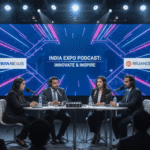

Trade shows and exhibitions have long been a hub for networking, product launches, and industry discovery. But in today’s fast-evolving business landscape, attendees and exhibitors are looking for more than just booths and brochures—they want insights, inspiration, and intellectual stimulation. This is where leadership panels come into play.
When thoughtfully curated, leadership panels at exhibitions can transform a regular trade show into a high-value summit, attracting top-tier speakers, thought leaders, and engaged audiences. In this blog, we’ll explore how exhibition organisers can create impactful leadership panels that add depth, value, and prestige to their events.
Why Leadership Panels Matter at Exhibitions?
Leadership panels are conversations between industry leaders—experts, executives, entrepreneurs, and influencers—who discuss key trends, challenges, and opportunities shaping the industry. When done right, these panels offer:
- Actionable insights for attendees
- Brand elevation for speakers and organisers
- Increased engagement and post-event buzz
- High-quality content for future marketing and thought leadership
But not every panel is created equal. To stand out, you need to curate with purpose.
1. Define a Clear Purpose and Theme
Before you start inviting speakers, ask yourself:
“What value are we bringing to attendees through this panel?”
Every leadership panel should have a clear objective—whether it’s to explore emerging technologies, discuss leadership in crisis, or debate ethical AI usage. The theme should also align with current industry trends and the overall vision of the exhibition.
Tips for defining purpose:
- Research what your audience cares about (use surveys, social listening, or past feedback).
- Tie the theme to the exhibition’s core message or title.
- Keep it specific—avoid vague topics like “Future of Business” and opt for focused themes like “Leadership in Sustainable Supply Chains.”
2. Identify and Invite the Right Speakers
The quality of your panel hinges on the quality of your speakers. You need individuals who are not only knowledgeable but also charismatic and willing to engage in meaningful dialogue.
Types of Speakers to Consider:
- C-Suite Executives: CEOs, CTOs, and COOs who can speak about strategic direction.
- Industry Pioneers: Innovators or disruptors who have shaped the industry.
- Thought Leaders: Authors, consultants, and influencers with a strong online presence.
- Domain Experts: Academics, researchers, or analysts with data-driven insights.
- Diverse Voices: Include speakers from different regions, genders, cultures, and company sizes to bring varied perspectives.
How to Invite Them:
- Personalise your invitations—mention why you specifically want them to speak.
- Offer value—speak about exposure, networking, and how their participation aligns with their personal or professional brand.
- Provide clear expectations—share the topic, format, time commitment, and audience profile.
3. Choose the Right Format
Not all panels are created equal. The format you choose can make or break the experience for both speakers and attendees.
Popular Panel Formats:
- Traditional Q&A Panels: A moderator asks pre-prepared and spontaneous questions.
- Roundtable Discussions: Speakers share short insights, followed by open dialogue.
- PechaKucha Style: Speakers present 20 images in 20 seconds each for quick, punchy insights.
- Debate Format: Two opposing views spark healthy discussion and audience engagement.
- Storytelling Sessions: Speakers share personal leadership journeys and lessons learned.
Pro Tip:
Mix formats across different panels to cater to varied attendee preferences. Some love data-driven discussions, while others enjoy storytelling or debates.
4. Engage the Audience
A panel is only as good as its audience engagement. Don’t let it become a one-way conversation.
Ways to Involve the Audience:
- Live Polling: Use apps or tools like Slido or Mentimeter to let attendees vote on questions or topics.
- Q&A Sessions: Allow time for attendees to submit questions—either in person or via digital platforms.
- Interactive Debates: Let the audience choose which side they support or suggest new discussion angles.
- Post-Panel Surveys: Gather feedback to improve future panels and measure impact.
Engaged audiences are more likely to remember the insights, share the content, and return to future events.
5. Promote the Panel Effectively
Even the best panel will go unnoticed without strategic promotion.
Pre-Event Promotion:
- Create teaser videos or speaker introductions to build anticipation.
- Leverage social media—post quotes, behind-the-scenes content, and speaker highlights.
- Email marketing—include panel details in event newsletters and reminders.
- Collaborate with speakers—ask them to share the panel on their own channels.
During the Event:
- Use signage and digital displays to direct attendees to the right room.
- Live stream the panel for those who can’t attend in person.
- Encourage real-time engagement via hashtags or chatrooms.
Post-Event Follow-Up:
- Share recordings, key takeaways, and photos on your website and social media.
- Tag speakers and sponsors to extend reach and gain further exposure.
- Request feedback from attendees and speakers to refine future panels.
6. Measure Success and ROI
To justify the time and investment, it’s important to measure the impact of your leadership panels.
Key Metrics to Track:
- Attendance: Number of people who attended in person or online.
- Engagement: Questions asked, polls participated in, social media mentions.
- Speaker Satisfaction: Feedback from speakers about their experience.
- Attendee Feedback: Ratings, comments, and suggestions.
- Lead Generation: Number of leads generated from panel attendees.
- Media Coverage: Mentions in press releases, blogs, or industry publications.
Use these insights to improve future panels and demonstrate ROI to sponsors and stakeholders.
7. Partner with Sponsors for Added Value
Sponsorship can elevate your leadership panels and offset costs while delivering added value to all parties.
Ways to Involve Sponsors:
- Title Sponsorship: A sponsor can be the “Presenting Partner” of the panel series.
- Content Collaboration: Co-create a research report or whitepaper with a sponsor to be referenced during the panel.
- Branded Stage: Allow sponsors to brand the physical or virtual stage space.
- Exclusive Networking: Offer sponsors access to speakers and high-value attendees post-panel.
Ensure that sponsor involvement doesn’t compromise the integrity of the discussion—transparency builds trust.
8. Create a Panel Legacy
Great panels leave a lasting impact. Consider these ways to extend their influence:
- Publish a report or whitepaper summarizing key insights and data.
- Create a podcast or video series featuring highlights from each panel.
- Develop a follow-up webinar or workshop based on panel themes.
- Build a community—create a LinkedIn group or forum where attendees and speakers can continue the conversation.
By turning panels into ongoing conversations, you build a stronger, more connected community around your brand.
Conclusion
Leadership panels at exhibitions are more than just a speaking slot—they’re an opportunity to elevate your event, engage your audience, and position your brand as a thought leader. With careful planning, the right speakers, and strategic promotion, you can turn a regular trade show into a high-value summit that resonates long after the event ends.
Whether you’re organising a niche industry expo or a large-scale consumer fair, incorporating impactful leadership panels will help you stand out, attract top talent, and deliver real value to your attendees.
FAQs
1. How do I find the right speakers for my leadership panel?
Start by identifying industry influencers, C-suite executives, and thought leaders who align with your event’s theme. Personalised invitations that explain why they’re the perfect fit increase the chances of participation.
2. Can leadership panels be held virtually?
Yes! Virtual and hybrid formats allow for broader reach and accessibility. Use platforms like Zoom, Microsoft Teams, or dedicated event tech to host engaging virtual panels with live Q&A and polling.
3. How long should a leadership panel be?
Typically, panels last between 45 minutes to 1 hour. This allows enough time for deep discussion without losing audience attention.
4. What role does a moderator play in a successful panel?
A skilled moderator keeps the conversation on track, ensures all speakers contribute, engages the audience, and handles any awkward moments. Choose someone with subject matter expertise and strong interpersonal skills.
5. How can I ensure diversity in panel discussions?
Include speakers from different backgrounds, regions, genders, and company sizes. Diversity brings richer perspectives and helps your event appeal to a wider audience.