India’s exhibition and trade-show landscape are undergoing a transformation. Long dominated by major metros like Delhi, Mumbai and Bengaluru, the industry is now shifting into high-growth Tier-2 cities. These emerging cities are not just catching up — they’re becoming the next-generation hubs for exhibitions, trade fairs, and MICE (meetings, incentives, conferences and exhibitions). For exhibition organisers, exhibitors, and stakeholders, recognising this shift can unlock fresh opportunities in 2025 and beyond.
Why Tier-2 Cities Are Emerging as Exhibition Hubs?
The shift to Tier-2 cities is underpinned by several key structural trends:
- A lot’s changing in Tier 2 cities. Think about it—airports are getting facelifts, there are new direct flights, better roads and railways, and some seriously state-of-the-art convention centers popping up. That article, “Small cities, big impact: How India’s regional hubs are becoming global-ready for MICE,” points to places like Surat, Indore, and Kochi. These cities now offer smooth connections and are easier on the wallet.
- Speaking of money, hosting exhibitions in these cities usually costs less. Venues are cheaper, hotels and logistics don’t eat up your budget, and you don’t have to fight with a dozen other events for the same dates. All that adds up to a better return on investment for both organizers and exhibitors.
- Then there’s the local industry scene. Lots of these cities have their own economic strengths—textiles in Coimbatore, diamonds in Surat, engineering in Lucknow. When exhibitions match up with what these cities already do well, the shows tend to draw in the right crowd and actually work.
- Interest in live events is picking up, too. The FICCI/EY report says Tier 2 markets are where the action’s heading, especially as incomes rise and brands look for fresh audiences outside the usual big metro crowd.
- Finally, government policies are helping all this along. Both central and state governments want to develop areas beyond the main metros, and they’re putting money into infrastructure in these cities. It’s creating a pretty solid environment for exhibitions to grow.
Together, these factors explain why Tier-2 cities are rapidly becoming credible exhibition hubs rather than just “backup venues”.
Top Tier-2 Cities Making Strides as Exhibition Destinations
Here are several Tier-2 cities worth watching:
Surat (Gujarat)
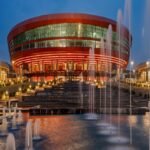
Surat has industry strength in textiles, diamonds and gems, and recently launched the Surat International Exhibition & Convention Centre (SIECC), making it a go-to venue for major expos. For trade-show organisers targeting packaging, textiles, gems/jewellery, Surat represents a strong regional base.
Lucknow (Uttar Pradesh)
Lucknow is positioning itself as a manufacturing and trade-show hub, with modern venue development and improved connectivity. It offers access to North-India markets but at lower cost than Delhi.
Coimbatore (Tamil Nadu)
Known for engineering and textile industries, Coimbatore already hosts trade-fairs (Wikipedia notes a 160,000 sq ft trade fair ground there).
Its regional industry strengths mean exhibitions relevant to manufacturing can thrive here.
Indore (Madhya Pradesh)
Indore is emerging as tech and industrial hub, which means exhibitions in sectors like manufacturing, logistics, and services can leverage the location. The rise of Tier-2 cities as GCC hotspots is a broader mark of their infrastructural evolution.
Bhubaneswar / Kochi / Jaipur
These cities are also climbing the ranks thanks to improved infrastructure, regional government support, and rising incomes. (See CBRE infographic identifying key Tier-2 cities).
What Exhibition Organisers Should Consider in Tier-2 Cities
Organising successful trade shows or exhibitions in Tier-2 cities requires strategic adaptation. Here are some key considerations:
- Venue quality & technology readiness: Ensure the convention centre or exhibition hall supports modern needs: high-speed internet, hybrid/virtual event capabilities, professional AV, adequate lodging nearby.
- Target audience alignment: Match the venue to the local industrial/market ecosystem. For instance, an automotive supply-chain expo may suit Lucknow; a gems & jewellery show fits Surat.
- Logistics & supply chain: While cost is lower, logistics may need special planning (transport, freight, exhibitor shipment). Understand the regional infrastructure.
- Marketing & visibility: Local-market penetration matters—target regional buyers/suppliers, exploit regional networks and channels beyond big-metro marketing.
- Visitor comfort & lodging: Even though costs are lower, ensure accommodation, dining and travel are convenient—this influences exhibitor/visitor satisfaction and repeat participation.
- Government/State support: Many Tier-2 cities offer subsidies, reasonable dates, lesser competition. Organisers should check state policies related to MICE and exhibitions.
- Hybrid/Virtual integration: To attract national/international buyers, supplement physical event with virtual platforms—this is valid even more in Tier-2 contexts to increase reach.
Challenges & What to Watch for?
While the growth story is strong, there are some challenges in Tier-2 exhibition hubs:
- Relative awareness & brand cachet: Compared to metros, Tier-2 cities may initially struggle with international buyer awareness or global destination “brand”.
- Transport/connectivity gaps: Despite improvements, some Tier-2 cities still lack direct international flights, or freight/booth-shipment logistics may be more complex.
- Accommodation & hospitality scale: Large scale events may stress local hotel supply or F&B infrastructure if not planned properly.
- Exhibitor perception risk: Some exhibitors may still view Tier-2 venues as “second choice” — organisers must prove value (quality of leads, networking opportunities) to combat this.
- Competitive dates & clustering: As Tier-2 cities grow as hubs, dates may become constrained; early planning helps.
Future Outlook — The 2025+ Landscape
Looking ahead, the shift of exhibitions to Tier-2 cities is likely to accelerate:
- More state governments will bid to host major trade-shows to boost regional economy and manufacturing clusters.
- Exhibition organisers will increasingly adopt “hub-and-spoke” models: main event in Tier 1, satellite events in Tier 2 (or reverse).
- Data-driven matchmaking, hybrid-event formats and regional focus will further empower Tier-2 venues.
- For exhibitors, targeting Tier-2 cities early may offer cost-effective access to buyers, less noise, and higher exhibitor ROI.
In short: Tier-2 cities aren’t simply alternatives—they are fast becoming primary exhibition destinations.
FAQs
Q1. What defines a “Tier-2 city” in India?
A1. It generally refers to a city that is smaller than major metros (Tier-1) but is growing rapidly in infrastructure, population, economy and can support significant commercial activities.
Q2. Why are exhibition organisers moving into Tier-2 cities?
A2. To leverage lower costs, growing regional markets, improved infrastructure, and fresh venues with less saturation.
Q3. Which sectors benefit most from exhibitions in Tier-2 cities?
A3. Manufacturing supply-chain, textiles, gems & jewellery, regional logistics, services aligned with the local industrial ecosystem.
Q4. How should exhibitors prepare for a show in a Tier-2 city?
A4. Plan for logistics/travel, verify venue tech readiness, target regional buyers, integrate virtual-follow up and factor in cost advantages.
Q5. Are international buyers really coming to Tier-2 exhibition hubs?
A5. Yes—improved connectivity and cost advantage are drawing international buyers to regional shows; plus, virtual/hybrid formats expand reach.
Q6. What risks exist for organising exhibitions in Tier-2 cities?
A6. Some risks: lesser established global brand-recognition of venue, possible infrastructure/hospitality gaps, and exhibitors’ perception bias.