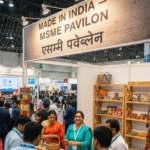
In India’s dynamic exhibition landscape, a new wave is taking hold — one where environmental care intersects with trade-show growth. More and more Indian exhibitions are going green, adopting eco-friendly practices that reduce waste, save energy, and raise brand value. As we move into 2025, this shift isn’t just about doing good — it’s about doing smart. Good for the planet, and smart for business. In this article, we explore how Indian exhibitions are embracing sustainability, key practices to watch, the benefits and challenges, and what this means for everyone involved.
Why Exhibitions in India Are Going Green?
The push toward sustainability in exhibitions in India is driven by several factors:
- Indian businesses, trade-show organizers, and government agencies are paying a lot more attention to the environment these days. Waste, energy use, carbon footprints—it’s all on their radar now. Reports show that the Indian exhibition industry is weaving sustainability and green event models into the way they do things.
- Exhibitors and sponsors aren’t shy about demanding higher standards either. They want to see real eco-friendly efforts. It’s good for their brand and attracts buyers who care about the planet. Just look at what the Gem & Jewellery Export Promotion Council (GJEPC) is doing: modular booths they can reuse, renewable energy powering their shows, and even tree-planting drives.
- There’s also the simple fact that green practices save money and hassle. Digital registrations, reusable materials, energy-efficient lighting—they all cut costs and reduce waste. More events are aiming for “zero-waste” models, and this trend is taking off in India.
- On top of that, global brands expect everyone to align with ESG (Environmental, Social & Governance) standards. If Indian exhibitions want to compete internationally, they have to keep up. Green building certifications for venues and eco-certification for events are starting to matter a lot.
So, sustainability isn’t just a buzzword anymore. It’s becoming a must-have strategy for the Indian exhibition industry.
Key Sustainability Practices in Indian Exhibitions
Here are the main eco-friendly practices being adopted in Indian exhibitions today:
Digital & Paperless Operations
Many events are moving to digital registrations, mobile apps instead of printed catalogs, and digital badges. This reduces paper waste significantly.
Eco-friendly Booth Materials & Reusable Structures
Rather than single-use materials like PVC flex, many exhibitors now use modular, recyclable, or reused booth components. The GJEPC’s initiative at IIJS is a good example: modular booths, biodegradable materials, reusable show bags.
Energy Efficiency & Green Venues
Pick venues that actually care about the environment—think LEED or BREEAM certified places. Swap out old lighting for LEDs, tap into solar power, and make the most of natural daylight. Tweak the HVAC so you’re not wasting energy.
Waste Reduction, Recycling & Zero-Waste Models
Cut down on waste. Set up recycling bins that are easy to spot. Compost leftover food. Ditch single-use plastics and switch to biodegradable cutlery at the food counters.
Local Sourcing & Transport Optimisation
Stick with local suppliers and services. That way, you chop down emissions from transporting stuff long distances. Nudge attendees to use public transport or hop on eco-friendly shuttles.
Carbon Neutral or Offset Initiatives
More exhibitions in India are starting to track and offset their carbon footprints—planting trees, talking up their green goals, things like that. IIJS, for example, plants a tree for every visitor. It’s a start.
Benefits of Going Green for Exhibition Stakeholders
Here’s how various stakeholders’ benefit from sustainable exhibition practices:
- For Exhibitors: Enhanced brand image, reduced setup/tear-down costs through reuse, greater appeal to eco-conscious buyers, and better engagement at shows that emphasise sustainability.
- For Organisers: Less waste and disposal cost, differentiation in a crowded market, compliance with emerging ESG expectations, ability to partner with governmental/industry-initiatives on sustainability.
- For Venues: Green credentials help attract high-quality events, differentiate themselves from competition, lower operating costs (energy, waste).
- For Attendees & Buyers: Better experience in cleaner, smarter events; aligning with their own values or corporate sustainability policies; opportunities to engage with eco-friendly exhibitors.
In short, sustainability becomes a win-win — for planet, profit and people.
Challenges and Considerations
While the movement is promising, a few challenges remain:
- Cost of transition: Some sustainable materials and technologies may have higher upfront cost (though payback is often there).
- Awareness & supply-chain gaps: In some cases, the local availability of eco-friendly booths, waste-management services may be limited.
- Standardisation and measurement: The metrics for “green exhibitions” are still evolving — carbon footprints, certifications, benchmarking.
- Behavioural change: Attendees, exhibitors, and organisers all need to adapt habits (e.g., digital badges, recycling) which takes time.
Hence, while the direction is clear, the execution must be thoughtful and phased.
What this Means for Indian Exhibitions in 2025 and Beyond?
Looking forward to 2025:
- Exhibitions in India will increasingly market themselves as green — “carbon-smart event”, “zero waste expo”, “sustainable trade fair”.
- More venues will obtain green-certifications; sustainability will be a selection criterion for exhibitors and sponsors.
- Hybrid formats (physical + virtual) will also contribute to lower travel-related emissions, making exhibitions more sustainable.
- Sustainability will become paired with innovation — e.g., booths with solar panels, interactive digital displays instead of printed collateral.
- Exhibitions will use sustainability as a business advantage — attracting global exhibitors, aligning with export/brand India goals, and meeting emerging regulatory/consumer demands.
For organisers, exhibitors and even governments, embracing eco-friendly practices in exhibitions is no longer optional — it’s a strategic mover for 2025 and beyond.
FAQs
Q1. What does a “green exhibition” mean in India?
A. It refers to trade shows or expos that deliberately use eco-friendly practices: paperless registration, recyclable materials, energy-efficient venues, waste reduction.
Q2. Are Indian exhibition venues ready for sustainable events?
A. Yes, many venues are upgrading, adopting green certifications, and organisers are prioritising sustainability.
Q3. How can exhibitors demonstrate sustainability at their booth?
A. Use modular/reusable structures, eco-friendly materials (bamboo, recycled plastics), digital collateral instead of flyers, LED lighting.
Q4. Does going green increase costs for exhibitions?
A. Initially some costs may rise, but savings come from reuse, lower waste disposal, and improved brand value — making ROI favourable.
Q5. Why is sustainability important for international exhibitors in India?
A. Many global brands and buyers have CSR/ESG mandates and prefer partners/venues that reflect sustainability, so Indian exhibitions aligning with this gain global relevance.
Q6. What trends should organisers focus on for 2025 to be sustainable?
A. Digital + hybrid formats, zero-waste objectives, energy-efficient venues, local sourcing, tracking carbon footprints and promoting sustainability credentials.